Courses
Courses to get a job in the United States: where to start
Discover free courses to improve your opportunities to get a job in the United States. There are jobs, technology, English and more.
Advertisement
I work in the United States: can these courses help me?
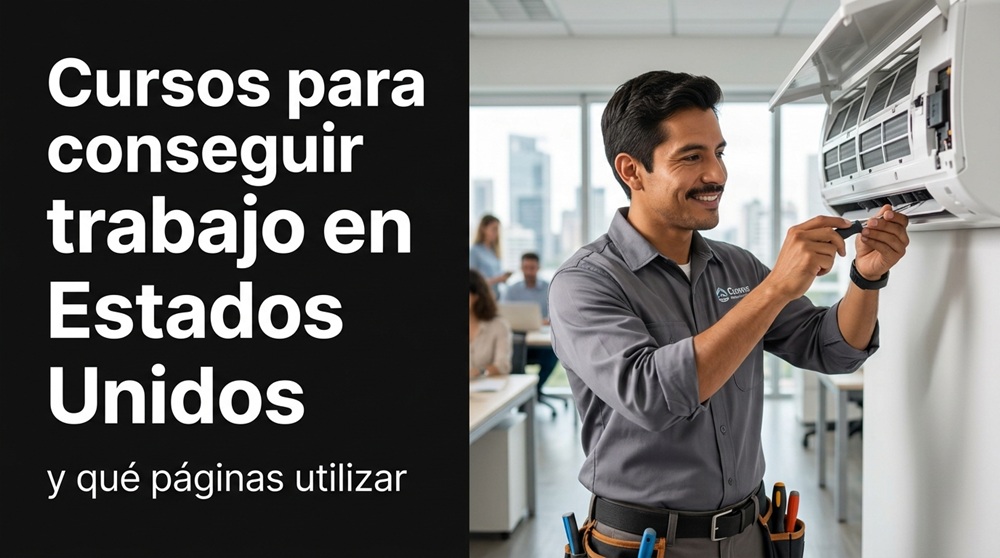
Yes, taking a course can be a good first step for get a job in the United States. There are free online options to learn digital skills, start a job or improve your professional profile, without needing to embark on a university career.
The best option depends on your experience, your interests and the type of job you are looking for. In this guide you will see areas to train yourself, platforms where you can find courses and advice to choose useful training.
What do you study to get a job in the United States?
You can study technical skills, technology, health, administration or labor English. In the United States there are many jobs that do not require a university degree.
What really helps is mastering a skill that the market needs: arranging something, speaking a language or using a program. And the more bad skills you disappear, the more options you will have to gain employment.
1. Technical Offices
If you like it practical or prefer to work independently, the jobs are a good alternative. You can undertake courses in electricity, refrigeration, air conditioning, automotive mechanics or equipment maintenance.
For example, un introductory HVAC course (heating, ventilation and air conditioning) shows you how these systems work and helps you decide if the sector is for you.
Look: some jobs require practical training, licenses or specific certifications. Therefore, an online course serves as a first contact, not as a final point.
Where to begin? Search for courses that explain the content, the study modality and the requirements to advance professional training. You can also consult itHVAC and air conditioning courses.

2. Technology and digital skills
If you are interested Working with computers, you can explore technical support, data analysis, programming or cybersecurity. You don't need to know technology to get started: there are courses for beginners that teach you step by step.
You can also learn useful tools in many ways, such as Excel, Word or artificial intelligence applications. Combined with your experience in administration, you offer customer attention, expanding your options.
Where to begin? Review the courses of Google and IBM and programming options and digital tools available online. Before signing up, check that the content is for beginners and that it costs a certificate.

3. Health and care of people
You can also train in the care of older adults, first aids and other areas of health and well-being. A course will help you understand the activity and decide if you want to advance in the sector. That is, the requirements change according to the state and the state.
For example, to work as a certified nursing assistant (CNA, by its English acronym), you must normally meet state training, evaluation and registration requirements. An online introductory course does not always replace this preparation.
Where to begin? Search for programs that indicate what certification they offer, whether they include practices that you need to complete to work in the field that interests you.

4. Administration, sales and customer service
If you prefer a workshop, a business or a customer service team, you can develop administration, logistics, sales and project management skills. Learning Excel, communicating better and using digital tools prepares you for many tasks.
If you still don't have work experience in the United States, there are practical projects that you can show on your resume.
Where to begin? Explore courses in administrative assistant, customer service, logistics and workshop tools. Choose a training that relates to those who want to postulate.

5. English for work
If you are still learning English, practicing it will help you communicate with employers, partners and clients. You can start general courses and start working English: vocabulary for interviews, customer service or the sector in which you want to work.
Not all jobs require the same level of English. Therefore, review the requirements of the vacancies that interest you.
Where to begin? Search for English courses for beginners and free resources to practice work situations. If you have a base, focus on what you need to improve.

Where can I find free or certified courses?
There are educational platforms with free online courses, professional programs and certificates. These are some to start your search:
- CareerOneStop: United States Department of Labor portal with information about careers, training and job searches.
- Google and IBM: offers training programs in technical support, data analysis and artificial intelligence. Some are free and certified.
- Coursera: brings together courses and programs from different institutions. You have free options, with payment for the certificate. Consult if there is financial assistance.
On this website you can explore our course guides and recommendations to find options according to the area that interests you, from technology to trades and professional skills.
Before signing up, check the duration, language, access requirements and total cost. Also review what you will receive when you finish: a completion certificate is not the same as a professional certification or a license to exercise.
How to choose a course according to your situation?
Choose training according to your starting point and your objective. That way you make the most of your time.
If you live in the United States and want to change jobs
Identify the person you like and review several vacancies. Write down the skills, tools or certifications that are repeated and look for a course that covers them.
If you have little work experience
Look for short courses for beginners that can add to your CV. It also serves useful skills in many areas, such as managing programs, communicating or serving customers.
If you haven't moved and want to get a job in the United States
Investigate which jobs are in high demand in 2026 and choose a course that targets these goals.
In all cases, prioritize courses with clear objectives, updated content and a direct relationship with your goals.
Is a course enough to get a job?
Not always. A course gives you knowledge and demonstrates that you graduated, but getting a job also depends on your experience, your level of English, the job market and job requirements.
To get more money, combine it with these actions:
- Review the vacancies: identify what you ask employers and compare it with what you know.
- Update your resume: Sum up what you learned and explain how you can apply it.
- Practice what you have learned: There are exercises or projects that allow you to demonstrate your knowledge.
- Investigate the necessary certifications: In some professions, a degree is not enough to work.
- Constantly seek opportunities: consult employment portals and adapt your application to each position.
Empathy through skill and progress step by step
They are aware of courses to get a job in the United States, but the best is to do it one time. A course that you enjoy, responds to market demand and covers a key skill is worth more than signing up for many at the same time.
Explore Learning North's guides and recommenders to compare courses, learn about different professional areas and decide your next step.
Frequently Asked Questions
Are there free courses to get a job in the United States?
Yes. Edutin Academy, Coursera, Google and IBM offer free courses to gain useful skills in the United States job market. There are options for technology, administration, languages and technical skills, among other areas. Many people are certified at the end, although sometimes it costs money. Review the conditions before signing up.
Can I study online if I still have no work experience?
Yes. There are courses for beginners that teach you from scratch. To choose one, review the level of knowledge you need and look for one that includes practical activities. These exercises or projects serve you to demonstrate what you have learned and add it to your CV, even if you do not have work experience.
How can I study to work from home in the United States?
You can explore customer service, administration, digital tools, programming or data analysis. In many cases there are vacancies for remote work. Also, before applying, check whether the company requires living in a specific state and whether it requires authorization to work in the United States.
Do I need a work visa to get a job in the United States?
It depends on your migratory situation. Many people need an employment authorization to work legally in the country, although others can do so based on their status. In all cases, consult the official information of the Citizenship and Immigration Service of EE. UU. (USCIS) before applying.
Trending Topics

Surveillance and Security Course: Register for free and online
With the Surveillance and Security Course, learn to detect dangers, evaluate risks and prepare yourself physically for surveillance at Conócelo!
Keep Reading
Knackify: Free online courses on your cell phone!
Knackify is an educational platform that offers a wide variety of online and free courses. Discover everything it offers, here!
Keep Reading
Santander Open Academy Free Course: Transform your future with knowledge
Get free online training with a certificate at Santander Open Academy. Accessible education for those who want to stand out in the job market.
Keep ReadingYou may also like
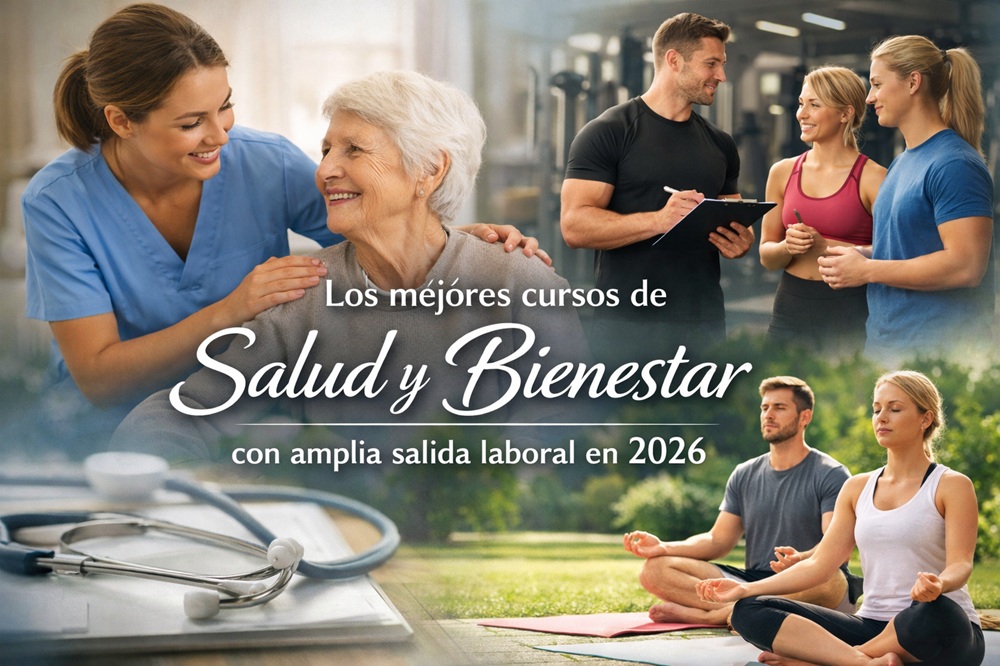
The best health and wellness courses in 2026
If you're looking to improve your profile or generate income quickly, these health and wellness courses will provide you with faster employment benefits and are free.
Keep Reading
Gardening Course: For those who are passionate about plants
With the Gardening Course, you learn about botany, crops and soils. It also develops skills for ecological agriculture.
Keep Reading
Administrative assistant course: free and online format
The administrative assistant course takes place on the Edutin Academy platform, it is free and you can take it at your own pace.
Keep Reading


